

Why build a brand?
Building a brand
Transforms a business from a service provider into a trusted entity, creating long-term value that far exceeds simple transactions. In a hyper-competitive market, a brand acts as your reputation—the impression people have of you when you are not in the room.
Reason 1 – Brand Identify
1. Differentiation and Competitive Edge: In crowded markets, a unique identity helps your business stand out by highlighting what makes it different from competitors.
2. Building Trust and Credibility: A consistent and professional identity signals reliability to consumers, making them more comfortable and confident in their purchasing decisions.
3. Customer Loyalty and Retention: When customers connect with a brand’s values and personality, they are more likely to become repeat buyers and long-term advocates.
4. Cohesive Communication: It ensures all marketing materials—from social media to product packaging—deliver a unified message and look, which reinforces brand awareness.
5. Emotional Connection: Beyond functionality, a brand identity creates an emotional bond with audiences by reflecting shared values and aspirations.
6. Increased Business Value: Strong brands are often seen as more valuable assets, allowing companies to command higher prices and attract better investment opportunities.
7. Employee Pride and Alignment: A clear identity gives employees a sense of purpose and helps them act as consistent ambassadors for the company.
8. Core Components: A complete brand identity typically includes both strategic and tactical elements:
Strategic: Purpose, mission, core values, and target audience.
Visual: Logo, colour palette, typography, and imagery.
Verbal: Tone of voice, messaging framework, and slogans.
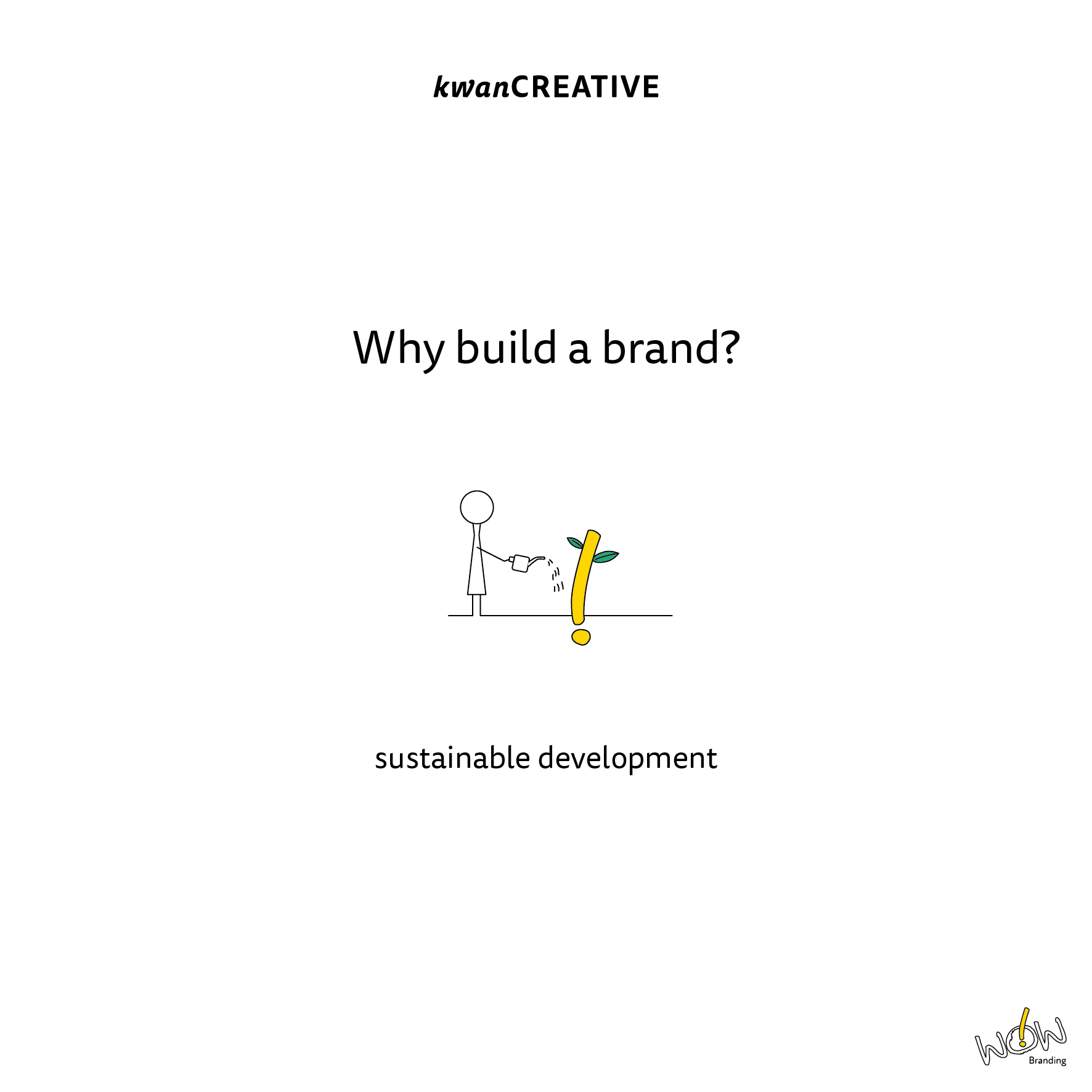
Reason 2 – Sustainable development
Sustainable brand development is the strategic integration of environmental, social, and economic goals into a company’s identity and operations. In 2025, it has shifted from a “nice-to-have” to a business imperative.
1. Meeting Changing Consumer Demands
Modern consumers, particularly Millennials and Gen Z, increasingly use their purchasing power to support ethical brands.
Willingness to Pay More: Roughly 66-73% of global consumers are willing to pay a premium for products from sustainable brands.
Purchasing Influence: Research indicates that 60% of global consumers consider sustainability a key purchasing criterion.
2. Competitive Differentiation and Market Share
In crowded markets, sustainability serves as a powerful differentiator.
Brand Desirability: Unique green initiatives help brands stand out and attract new, conscientious customers.
Growth Potential: Companies that prioritise sustainability often see higher growth; for example, Unilever’s sustainable brands have reportedly grown 70% faster than the rest of its portfolio.
3. Financial Performance and Investor Pressure
Investors are increasingly prioritising companies with strong ESG (Environmental, Social, and Governance) metrics.
Higher Returns: Sustainably focused companies often outperform their peers, with some reports showing median total shareholder returns of 16% compared to 3% for non-sustainable peers.
Lower Capital Costs: High ESG performance can lead to a 10% lower cost of capital, as these businesses are viewed as lower-risk investments.
4. Operational Efficiency and Risk Mitigation
Sustainable practices often lead to direct cost savings and long-term resilience.
Waste Reduction: Streamlining operations to reduce waste and energy use cuts overhead expenses.
Future-Proofing: Adopting sustainable practices helps companies adapt to stricter environmental regulations and avoid fines or supply chain disruptions caused by climate change.
5. Talent Attraction and Retention
A brand’s commitment to a purpose beyond profit is a major factor in employee satisfaction.
Engaged Workforce: Employees are more likely to stay with and feel proud of companies that align with their personal values.
Recruitment Edge: Top talent increasingly seeks out employers with clear social and environmental goals.
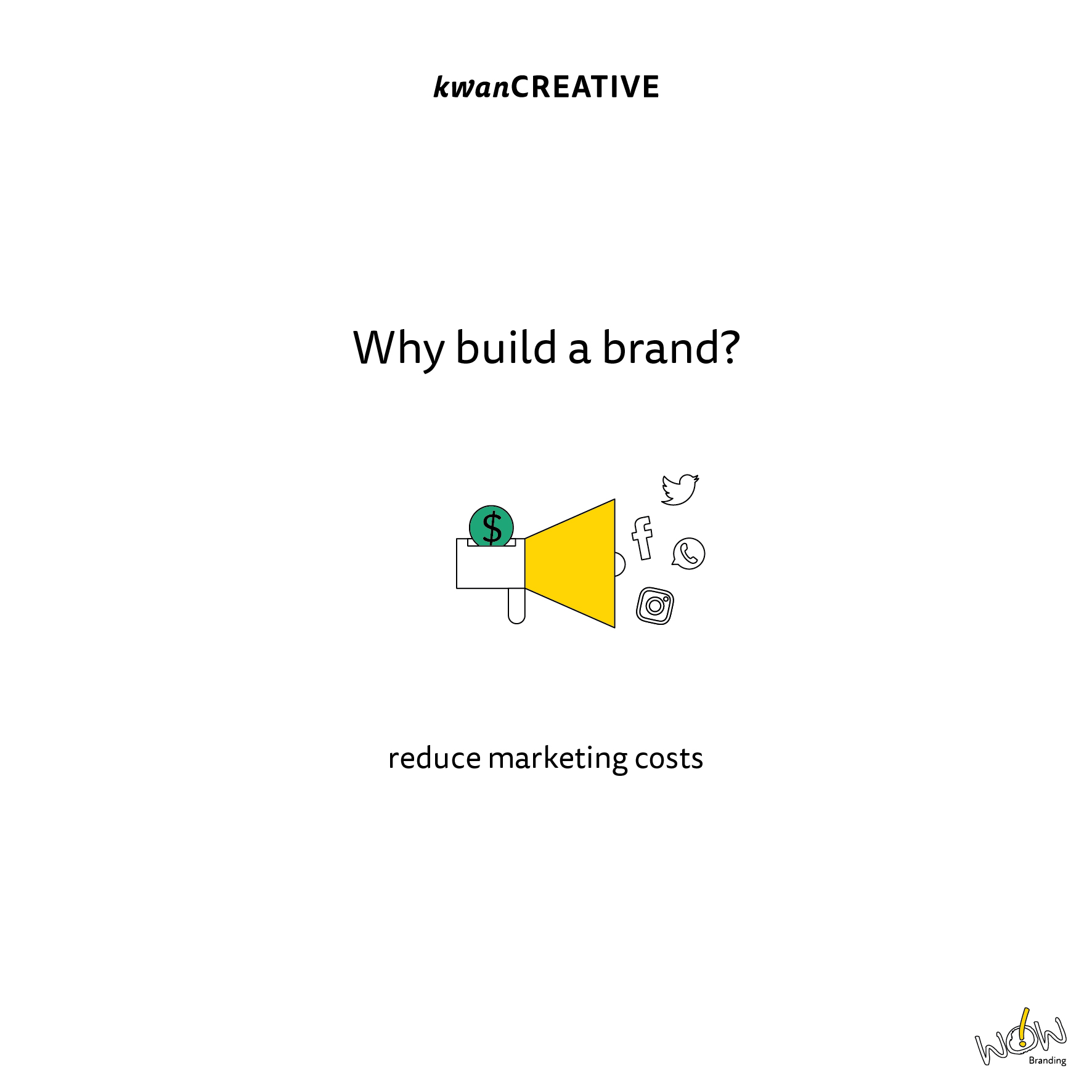
Reason 3 – Reduce marking cost
One of the most critical reasons brand building reduces marketing costs is its
ability to lower Customer Acquisition Cost (CAC).
This reduction happens through several specific mechanisms:
1. Higher Organic Demand: A strong brand generates organic pull rather than relying solely on “paid push” tactics. For example, recognised brands see higher direct traffic—like Slack, which reported 91% of its monthly visitors coming directly to its site—reducing the need for expensive search ads.
2. Improved Conversion Rates: Familiarity and trust serve as “priming effects.” When potential customers already know and trust a brand, they require fewer touchpoints to convert, making every dollar spent on performance marketing more effective.
3. Lower Ad Costs: Established brands often achieve higher click-through rates and better quality scores in digital advertising, which directly lowers the cost per click (CPC) compared to unknown competitors.
4. Shorter Sales Cycles: A well-defined brand pre-sells the company’s value proposition. In B2B specifically, it reduces perceived risk for decision-makers, leading to faster consensus and shorter, less resource-intensive sales cycles.
5. Viral Word-of-Mouth: Loyal customers of strong brands often become advocates who promote the brand for free, providing high-quality referrals with near-zero acquisition costs.